If your only image of tarot came from a movie—creepy tent, thunder, someone screaming about doom—let’s reset. Most real sessions are quiet conversations with pictures. This beginner-friendly guide explains how a tarot reading usually works, how it’s different from movie “fortune-telling,” and what good ethics look like. Whether you book someone in Jaipur or try an online reader from your couch, the respect you deserve is the same.
What is tarot, in normal words?
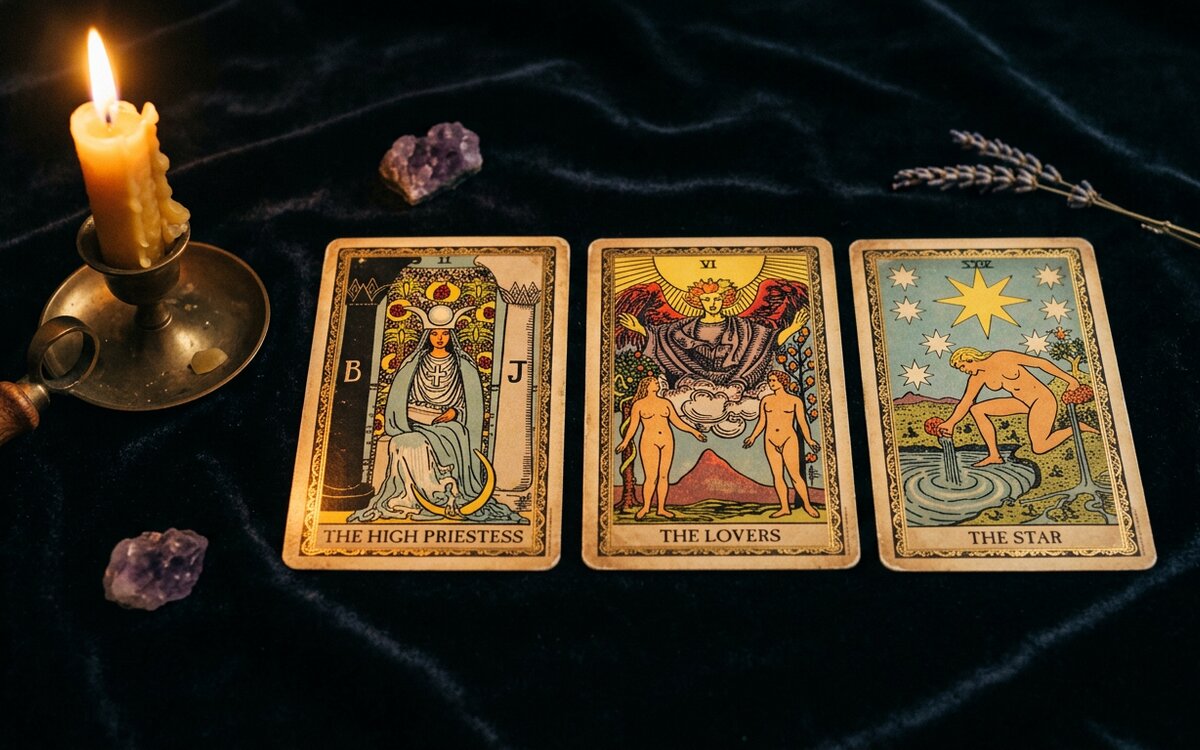
Tarot is a deck of cards with images—traditionally 78, split into Major Arcana (big life themes) and Minor Arcana (everyday moods and situations). A reader shuffles, lays out a spread, and uses the pictures plus their intuition to reflect on your question: love, work, timing, family, confidence—most topics that fit a thoughtful chat.
So how is that not fortune-telling?
Fortune-telling, in the spooky-fair sense, sells fixed fate: “You will marry this month” or “Disaster must strike.” Ethical tarot doesn’t chain you to one outcome. It explores patterns, possibilities, and your own choices. The cards might mirror what you already sense, name a blind spot, or suggest an angle you hadn’t considered—then you decide what to do.
What happens in a typical session?
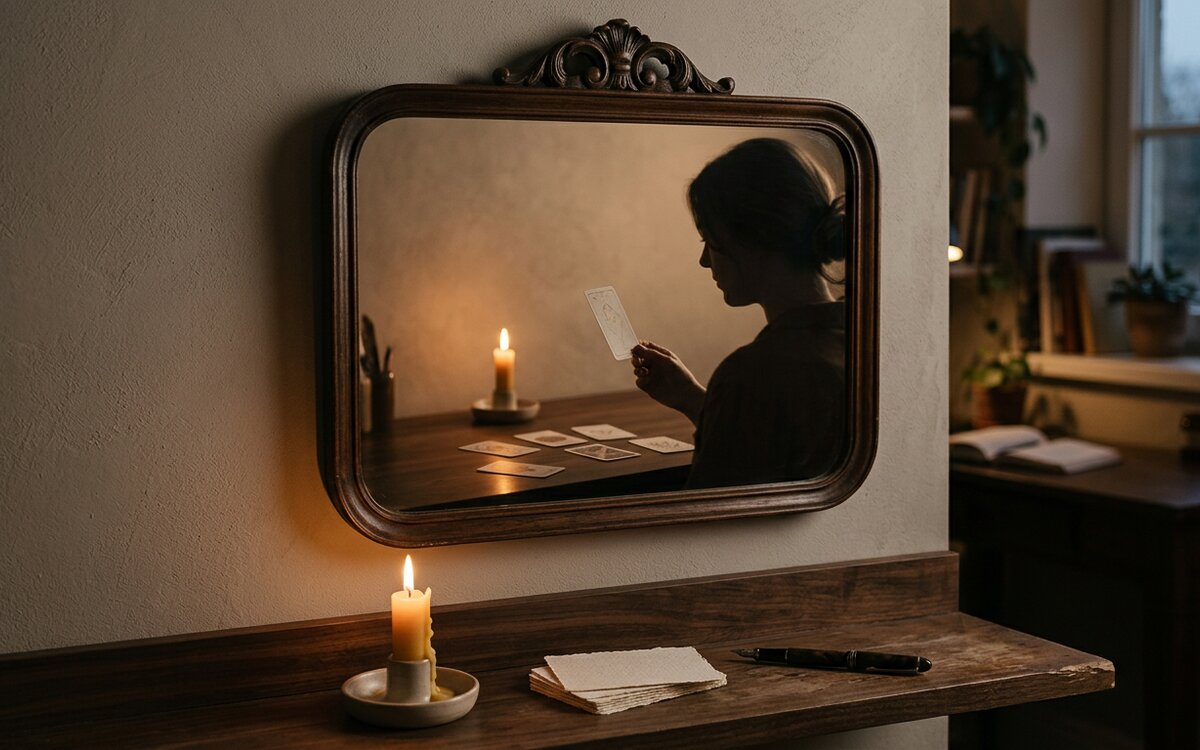
You share a question or area of life—vague panic (“tell me everything”) is harder to work with than a focused theme. The reader explains how many cards they’ll pull and why. They describe images in plain language, check what lands for you, and invite dialogue. You can ask “why did that card show up here?” without feeling silly. The best readings feel like creative coaching with postcards, not a lecture from the sky.
Do I have to believe in magic?
Many clients treat tarot as symbolic psychology; others feel something more mystical. Both are okay if consent and boundaries stay clear. You shouldn’t be pressured into beliefs or expensive “emergency” fixes.
Ethics that matter
- No medical or legal verdicts—see professionals for those.
- No terrorising—“bad cards” are themes, not curses.
- Privacy—what you share stays in the room (or secure call).
- Agency—you can pause, ask questions, or end the session.
Yes/No questions vs richer questions
“Will he text?” might get a short answer, but tarot shines with slightly wider prompts: “What do I need to understand about this connection?” or “Where am I giving my power away?” We’ll dig deeper into yes/no style in another blog—sneak preview: open questions usually age better.
In person in Jaipur vs online
Energy and focus change with the format, but skill and kindness matter more than geography. Choose whatever helps you speak honestly—some people love face-to-face in a calm office; others relax better at home on video. Clear audio helps more than crystals in the background.
If you’re nervous
Say so. A grounded reader slows down, explains consent, and won’t push superstition. If someone demands extra money because a “dark energy” appeared, that’s a red flag—good support leaves you clearer, not panicked.
Closing thought
Tarot for beginners is really about permission: to ask questions, notice patterns, and treat your life as something you participate in—not something that happens to you while you wait. Cards can be mirrors. The future still includes your effort, your boundaries, and your brave next step.