If tarot had a movie trailer, the Major Arcana would be the scenes everyone remembers: the leap, the fall, the wake-up call, the breakthrough. These 22 cards are often called the “big cards” because they point to turning points, identity shifts, and lessons that stay with you. In this guide, we’ll keep major arcana meanings practical and human—useful whether you’re learning tarot in Jaipur or joining online from anywhere.
Major Arcana vs Minor Arcana (quick distinction)
Think of tarot like life itself. Minor Arcana often describe daily weather: conversations, deadlines, moods, practical matters. Major Arcana point to bigger chapters: values, purpose, power, endings, new beginnings. When a Major card appears, it can feel like the question underneath your question is asking for attention.
The Fool (0): beginning without a full map
The Fool isn’t “stupid.” It is open-hearted courage: first steps, fresh starts, saying yes before you can control every detail. In real life, this can be a new job, a move, or choosing honesty over image. The lesson: start, but stay awake.
The Magician (1): use what is already in your hands
This card often appears when you have more agency than you think. Skills, words, timing, and attention can be focused into action. Shadow side: manipulation or over-promising. Healthy reading: align intention with effort.
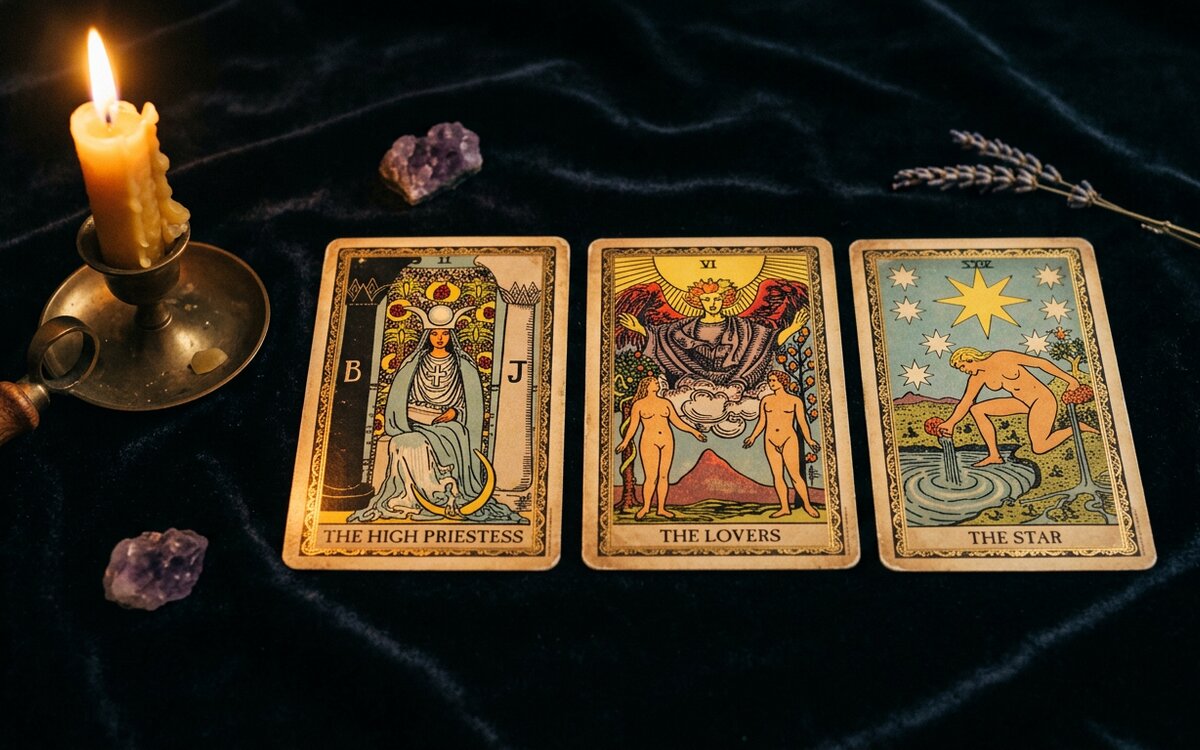
The High Priestess (2): quiet knowing
Pause, listen, and stop forcing clarity on a rushed timeline. This card can signal that your intuition already knows what your anxiety keeps interrupting. It is not passivity; it is intelligent stillness.
The Empress (3) and The Emperor (4): nurture and structure
These two are a powerful pair. The Empress grows, nourishes, and creates. The Emperor defines boundaries, plans, and standards. Many life problems come from having only one mode active. Growth needs both warmth and structure.
The Lovers (6): values before romance
Yes, this card can show love. But at its core, it often asks: what are you choosing, and does that choice match your values? In relationships, work, or family decisions, alignment matters more than excitement alone.
The Chariot (7): disciplined momentum
The Chariot says progress is possible, but not by emotional zig-zag. It asks for direction, self-control, and committed movement. Especially useful when you feel scattered or pulled by too many opinions.
Strength (8): soft power beats force
Not domination—regulation. Strength often appears when patience, compassion, and emotional maturity are the real win. You do not need to crush your fear; you need to relate to it more wisely.
The Hermit (9): step back to see clearly
This card is not social failure. It is conscious retreat for reflection, study, or healing. In noisy phases, The Hermit reminds you that solitude can be medicine, not punishment.
Wheel of Fortune (10): cycles are real
Life moves in seasons. Some doors open unexpectedly; others close despite effort. This card teaches adaptability: ride momentum when it comes, and do not build your identity on one chapter.
Death (13): endings that make growth possible
One of the most misunderstood cards. Usually not literal death in modern readings; more often a deep ending, transition, or release. A role, belief, habit, or attachment completes so something more honest can begin.
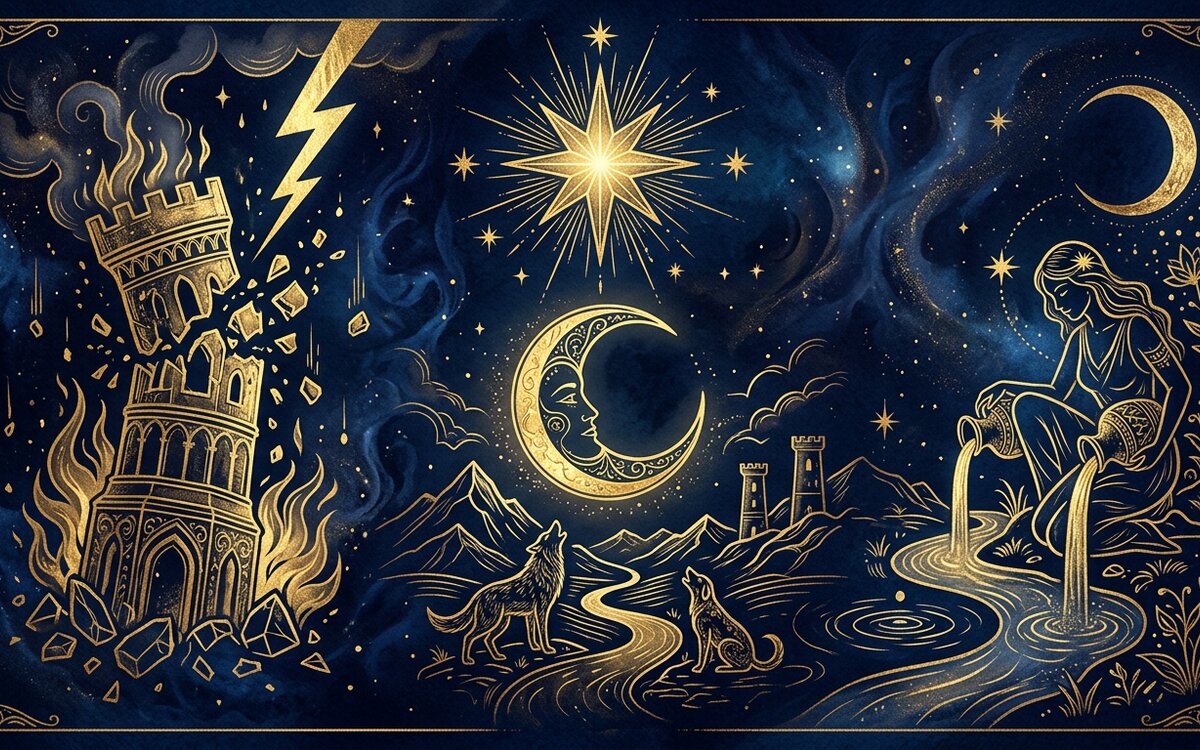
The Tower (16): truth arrives fast
The Tower can feel dramatic because illusions break. But what falls is often what was already unstable. In hindsight, many people describe Tower periods as painful and freeing. The lesson: rebuild on what is real.
The Star (17): hope after the shake-up
After hard chapters, The Star restores faith, healing, and perspective. It doesn’t deny pain; it offers direction beyond it. Think renewal, not denial.
The Moon (18) and The Sun (19): confusion and clarity
The Moon can show uncertainty, projection, or emotional fog. The Sun brings clarity, vitality, and truth that can be lived openly. Together they remind us: confusion is a phase, not an identity.
Judgement (20): answer your own wake-up call
This card asks for accountability and renewal. What old story are you ready to outgrow? Where is life asking for a more honest version of you?
The World (21): integration, not perfection
The World marks completion and wholeness. Not “problem-free forever,” but a sense that a cycle has matured. You are not the same person who started the journey.
How to read Major Arcana without fear
- Ask open questions: “What is this chapter teaching me?”
- Look for patterns across cards, not one dramatic keyword.
- Treat difficult cards as guidance signals, not curses.
- Pair insights with real-world steps and support.
Jaipur and global online readings
Whether sessions happen in person in Jaipur or online across time zones, the Major Arcana still speak in universal themes: choice, courage, grief, trust, renewal. A good reader helps you apply those themes to your actual context—family pressure, career shifts, relationship decisions, and emotional health.
Closing thought
The Major Arcana are less about predicting one fixed future and more about naming the chapter you are living. Learn their language, and tarot becomes less mysterious and more useful: a mirror for wiser choices, one card, one season, one honest step at a time.