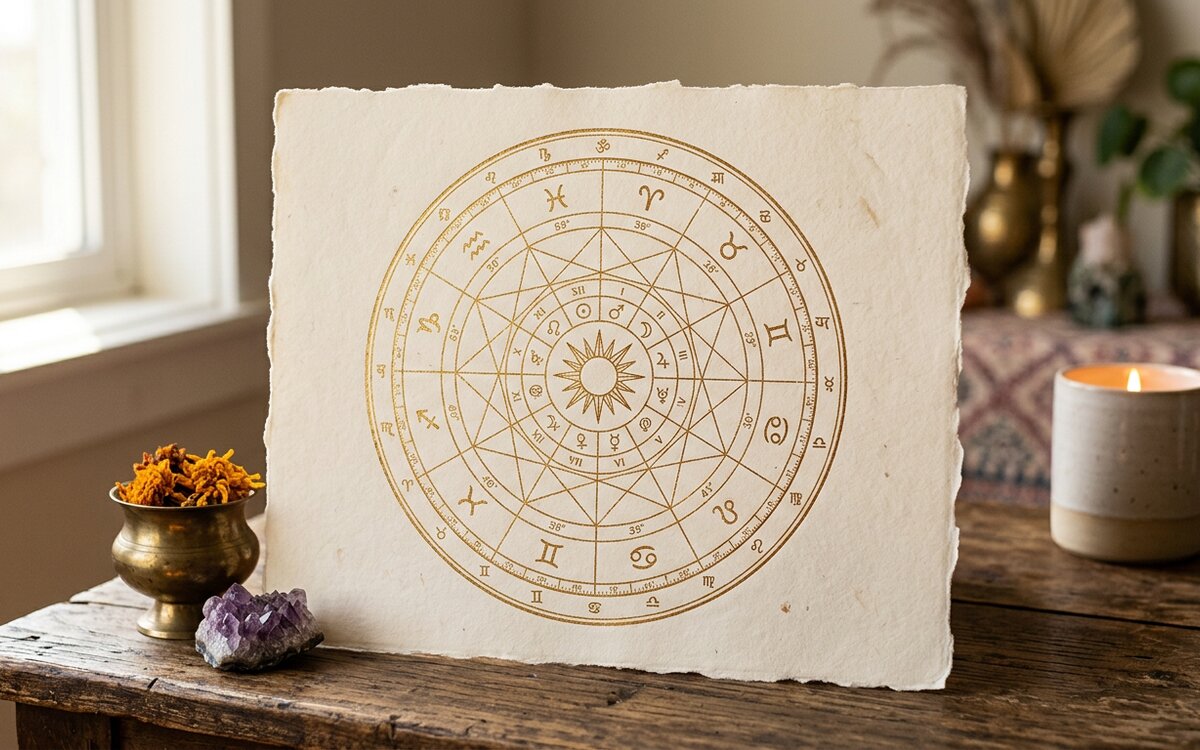

If you’ve ever googled “best astrologer near me” in Jaipur and felt more confused after reading the results, you’re not alone. One profile says Vedic astrology; another says Western astrology; someone on Instagram mixes both. Which one is “true”? Which one should you book?
This blog won’t crown a winner. Instead, we’ll unpack both styles in plain English—what they share, where they differ, and how to choose what fits your questions—whether you sit down for a session in person or join from anywhere in the world online.
What people usually mean by “Western” astrology
When magazines and apps talk about your “Sun sign,” they’re usually using a tropical zodiac tied to the seasons. Western astrology (as most people meet it today) builds the birth chart from that framework: twelve signs, twelve houses, aspects between planets, and lots of focus on psychology and personal growth language.
It’s popular globally because it’s easy to dip into—horoscopes, memes, podcasts—and many readers love how it frames feelings, relationships, and career arcs in relatable words.
And “Vedic” astrology—same stars, different lens?
Vedic astrology (often called Jyotish in India) grows out of India’s long sky-watching tradition. Practitioners usually work with a sidereal zodiac—where sign positions line up differently from tropical Western charts. You’ll also hear about divisional charts, dashas (timing cycles), and remedies rooted in culture (like mantras or rituals) depending on who you consult.
None of that makes it “more Indian” in a gatekeeping way—many people connect with it because it speaks the language of family expectations, marriage timing, and life stages in ways that feel familiar at home.
So why is my Sun sign different sometimes?
Short version: the two systems can place planets in different signs for the same birth data because the zodiac reference isn’t identical. That freaks people out until they realise: both systems are maps, not rival gods fighting in the sky.
Think of it like Celsius vs Fahrenheit—you’re still talking about temperature; you’re just reading the dial differently. Your personality didn’t change overnight; the label attached to one planet might shift when you switch systems.
What should a Jaipur seeker actually ask?
Before you pay for any session, get curious about process, not just branding:
- Which zodiac does this reader use for the main chart—and can they explain it in one minute without shame?
- What tools do they blend? Some people lean pure Jyotish; some mix Western techniques; some add numerology or tarot. You’re allowed to ask.
- What’s the aim of the session? Marriage timing, career change, emotional patterns—clarity on your question helps more than picking a buzzword.
Whether you’re in Jaipur, another Indian city, or abroad, a respectful reader should welcome questions—not pressure you into fear-based upgrades.
Is one style more “accurate” than the other?
Accuracy in astrology isn’t like a single lab score. A reading is a conversation between a map, a moment in your life, and a human interpreter. Two excellent astrologers—one Western-leaning, one Vedic—might describe the same person with different words and still both feel spot-on.
What matters more than the label on the door: does the reader listen? Do they leave room for your agency? Do they avoid guaranteed predictions about health, legal outcomes, or other areas where professionals belong?
How people in India (and online) mix both worlds
Real life is messy—in a good way. Someone might use Vedic astrology for muhurat-style timing questions and still enjoy Western-style birth chart language for self-reflection. Another person might prefer one system end-to-end. There’s no astrology police grading your homework.
What helps is honesty: if your reader combines methods, they should say so clearly so you’re not comparing apples to oranges when you chat with friends about your chart.
Online vs in-person: does the system change?
Nope. The math is the math; the video call is just the room. What can change is comfort—some people focus better at home; others like sitting face to face in a quiet office in Jaipur. Pick what keeps you present.
“But my friend said dashas…” — what’s that?
In many Vedic astrology consultations you’ll hear about dashas—chapter-like periods that highlight certain themes for a stretch of time. In Western work you might hear more about transits (how current sky patterns talk to your birth chart). Different words; similar idea: life moves in seasons, not single static days.
You don’t need to master the vocabulary before your first appointment. You only need enough curiosity to ask: “How do you explain timing in my life—and how should I use that info without freaking out?”
If you’re brand new, start here
Grab your birth date, place, and time if you have it. Write down two real questions—money, love, study, parents, confidence, anything. Then choose a reader who listens first. Whether they open a Jyotish chart or a Western-style wheel, you’re allowed to ask: “Can you show me on the chart where you’re seeing that?”
That one question keeps the session grounded. You’re not there to perform belief; you’re there to understand yourself better.
Red flags in any tradition
Skip anyone who trades on terror—curses, must-buy rituals, “bad planets” with no path forward—or who promises exact dates for marriage or lottery wins. Good astrology raises your self-awareness; it doesn’t steal your power.
So… what should you book?
Ask yourself what you want from the session. If you crave language that matches Indian family conversations and timing cycles, explore a Jyotish-informed reading. If you’re hooked on psychological patterns and a more global horoscope culture, Western-style work might click first.
And if you’re simply curious? Say so. Many practitioners are happy to explain both lenses without making you pick a team forever.
Closing thought
Vedic astrology and Western astrology both invite you to look up at your life with a little more structure and a little less panic. The best choice isn’t the trendiest label—it’s the reader who respects you, explains clearly, and leaves you steadier than when you walked in. Whether that happens in a lane in Jaipur or on a screen miles away, you deserve clarity without the confusion.
If you’re still unsure, try one session in the style that feels closest to your questions—and then decide. Your curiosity doesn’t have to pick a side forever; it only has to take the next honest step.