If you’ve ever seen someone’s Instagram bio say “Life Path 7” and wondered what on earth that means, you’re in the right place. Numerology is a big word for a simple idea: numbers can be used as symbols to talk about patterns in life—personality, timing, even how you handle stress. This post is Numerology 101 focused on the most famous number of all: your life path number. We’ll keep it friendly, mention how it’s usually calculated, nod to other systems, and—importantly—what it doesn’t do. Whether you explore this in Jaipur or book a session online from another country, the basics are the same.
What is a life path number?
In many modern numerology books, your life path number is treated like a main theme for your journey: strengths you lean on, lessons you’ll meet more than once, and the kind of growth that keeps showing up. It’s not a job title, a marriage guarantee, or a report card on your soul. Think of it as a headline on a long novel—useful, but not the whole plot.
How is it usually calculated? (Pythagorean-style)
A common approach (often called Pythagorean numerology) starts from your full birth date. You reduce the day, month, and year until you reach a single digit (1–9), unless you land on 11, 22, or 33—those are sometimes kept as “master numbers” (we’ll unpack those more in a future blog).
Example shape: someone born 14 July 1991 might reduce 14 → 1+4 = 5, July = 7, 1991 → 1+9+9+1 = 20 → 2+0 = 2, then combine and reduce again until you get one digit. Different teachers write the steps slightly differently; the point isn’t memorising arithmetic—it’s knowing that your reader should show you the math if you ask.
Wait—why does my app say something different?
Because numerology isn’t one universal spreadsheet. Some systems use your name letters; some use different letter tables; some use Chaldean traditions. Your “life path” from birth date might differ from your “name number” or “destiny number”—they’re answering different questions. If two calculators disagree, ask which rules they use instead of assuming you’re “wrong.”
What can a life path number hint at?
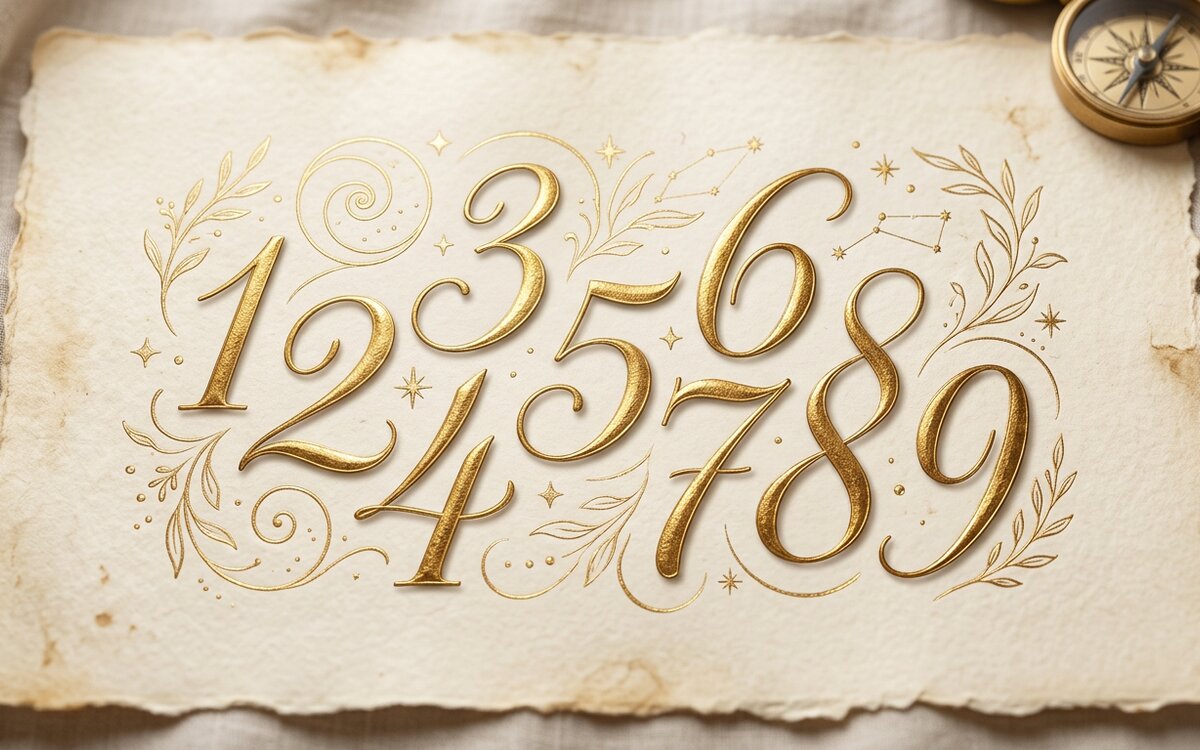
Very broadly: each number from 1 to 9 is associated with a flavour—leadership, cooperation, creativity, stability, freedom, responsibility, introspection, power-with-care, compassion. Readers use these as prompts for conversation, not as labels that excuse bad behaviour.
You might recognise yourself in parts of the description and not others—that’s normal. You’re a whole person, not a sticker.
No one is “just” a 4 or “only” an 8—culture, upbringing, and choice shape how any theme shows up. Numerology works best when it opens a dialogue: “Does this pattern sound familiar?”—not when it shuts one down.
What shouldn’t you use it for?
Numerology is a poor substitute for medical advice, legal decisions, or therapy. It’s also not a reason to avoid accountability (“My number is lazy” isn’t a thing). Ethical use sounds like: “This pattern shows up—what do I want to do about it?”
Life path and birth chart—cousins, not twins
Many people enjoy both astrology and numerology. Your birth chart looks at the sky; numerology looks at numbers from dates and names. Sometimes they tell a similar story in different languages; sometimes they highlight different corners of your life. Neither has to “win.”
Jaipur, India, and global clients
In cities like Jaipur, numerology often sits alongside astrology in family conversations—baby names, business launches, auspicious timing. Online, you might book a session for the same reasons from abroad. The tool travels; the culture you live in still shapes how you apply it.
Questions to ask a numerologist
- Which system do you use for life path—Pythagorean, Chaldean, something else?
- Do you keep 11, 22, 33 as master numbers on the birth date line?
- How do you combine date-based numbers with name-based numbers?
- What’s the aim of the session—clarity, timing, name change discussion?
Try it without turning your life into a spreadsheet
You can play with a calculator online, then forget the number for a week and notice how you actually make decisions, handle relationships, and bounce back from stress. That lived data matters more than any single digit.
Closing thought
Your life path number can be a fun mirror—maybe even a gentle nudge toward growth—but it’s not a cage. Use it to ask better questions, not to shrink yourself. And if you want help going deeper, find someone who explains clearly, whether you meet in person or through a screen.