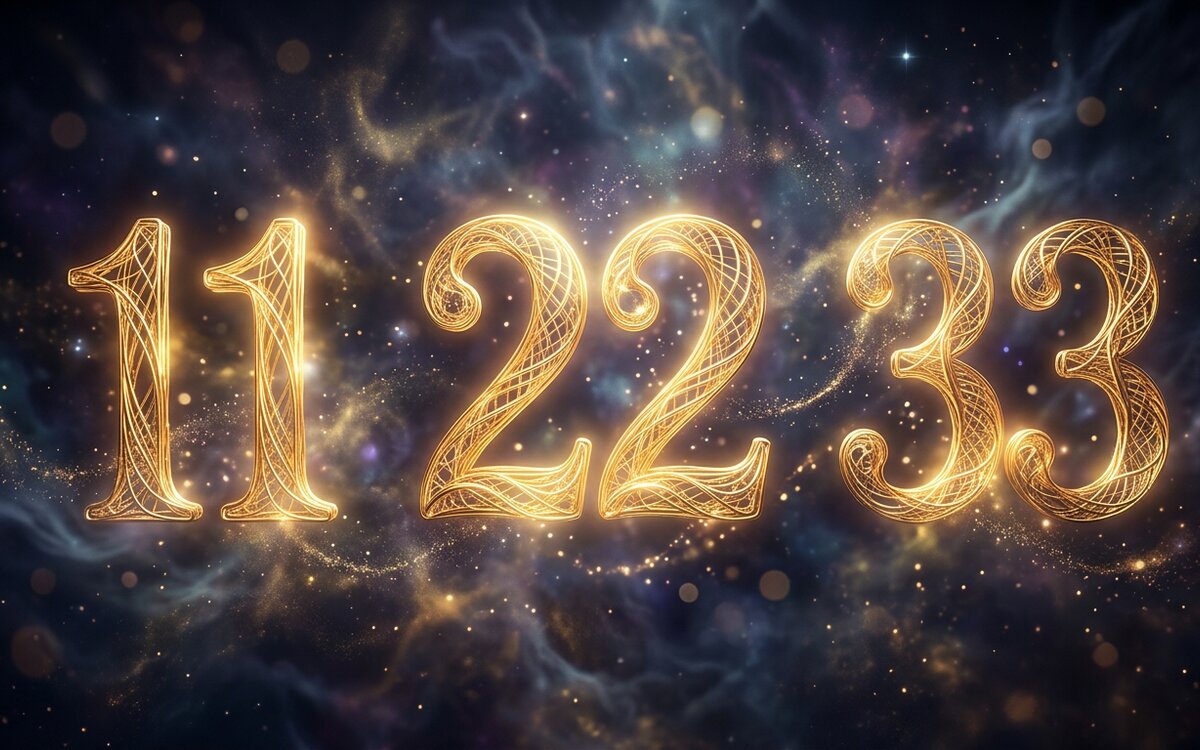
If your numerology reading landed on 11, 22, or 33 before everything got reduced to a single digit, you might have heard the word master number—sometimes whispered like a VIP pass, sometimes explained like a homework assignment you didn’t ask for. Let’s slow down. This post is a grounded take on master numbers in numerology: what they can mean, what they don’t mean, and how to carry them without turning your life into a performance. Useful whether you explore this in Jaipur or with someone online across time zones.
First: what is a master number?
In many Pythagorean-style systems, when the birth-date math lands on 11, 22, or 33, some teachers stop there instead of reducing further (11 → 2, 22 → 4, 33 → 6). Those doubled digits are called master numbers—not because you’re “chosen,” but because the symbolism is treated as more concentrated: same themes as 2, 4, and 6, but turned up, more visible, sometimes more demanding.
Other practitioners always reduce. Neither camp owns the truth—consistency and clarity from your reader matter more than internet debates.
Why this isn’t a ranking system
A life path 5 or 7 isn’t “less spiritual” than an 11. Master-number language describes flavour and pressure, not worth. If someone uses your number to make you feel superior—or inferior—walk away. Good numerology builds compassion, not pecking orders.
Eleven (11): insight, sensitivity, and static in the nerves
Often linked to intuition, inspiration, and noticing what others miss. The growing edge? Overthinking, anxiety, or feeling “too much” in a world that rewards rushing. Elevens can benefit from grounding routines, honest rest, and people who don’t mock their inner life.
If this sounds like you sometimes, you’re human first; the number is just a conversation starter.
Twenty-two (22): vision meets “someone has to build it”
Think big-picture dreams with a side of logistics—bridges between imagination and reality. The tension shows up as pressure: responsibility that’s hard to delegate, burnout from carrying projects, or fear of not living up to potential. Twenty-twos thrive when they learn pacing and ask for help without shame.
Thirty-three (33): care, teaching, and the martyrdom trap
Often described in books as a healing or teaching tone—warmth, service, lifting others. The shadow side is over-giving, guilt, or losing boundaries because “I should be the strong one.” Thirty-threes need permission to be ordinary, tired, and imperfect like everyone else.
“But my calculator says I’m a 2, not an 11”
Perfectly possible. Different software, different rules—some always reduce; some keep masters only on the final life-path line; some use names differently. Ask: Which step did you keep? Numbers are tools; confusion usually means mismatched methods, not a cosmic error.
How this shows up in real life (not just bios)
- Relationships: high empathy, high expectations, fear of disappointing people.
- Work: drawn to meaningful projects; struggle to say “not my job.”
- Self-talk: “I should be further along by now.”
Patterns like these are common for many humans—master numbers just name one cluster of stories. They’re not an excuse to avoid therapy, boundaries, or career planning.
Jaipur, family, and the pressure to be “special”
In Indian contexts, numerology sometimes sits next to astrology at weddings, naming days, or business launches. If you’re “an 11,” relatives may project hopes or fears onto you. You still get to set limits: you can honour tradition and protect your mental health at the same time.
Questions to ask your numerologist
- Do you preserve 11, 22, 33 on my chart—or reduce them?
- How do you talk about “shadow” sides without scare tactics?
- How does this interact with my name numbers?
Closing thought
Master numbers can describe intensity, gifts, and homework—but they don’t define your whole worth. Use them to understand yourself with more patience, not to chase a spotlight or hide from hard choices. Whether you sit with someone in person or book a session online, the best number work always hands your agency back to you.